Alumni News
WHAT IS IT REALLY LIKE AT UNIVERSITY?
We were delighted to welcome back three former students, Aoi, Evan, and Jonny, to speak to our current students about the realities of university life after Westminster Tutors. Their courses, locations, accommodation arrangements, and social experiences are all quite different, which gave students a valuable insight into the range of ways in which the transition to university can unfold. It was particularly helpful for current students to hear from those who had so recently been in their position, managing A levels, university applications, and the uncertainty of what the next stage might feel like in practice.
 Aoi is studying the cross disciplinary Arts and Sciences BA/ BSc at UCL, based at the Bloomsbury campus. She is living in new UCL accommodation on the East London campus, which she described as brand new, state of the art, and a very good place to stay. Although this means travelling across London for her course, she was very positive about both the quality of the accommodation and the experience of living with other students. Evan is studying Biomedical Science at King’s College London and is living at home for his first year, partly to support the transition into university life and partly because of the pressure on student accommodation in London. Jonny is studying Law at Exeter and is living in halls which, although on the other side of the city, are only around 20 minutes from campus. He described travel around Exeter as quick and simple, although the steep hill leading up to his halls has apparently been particularly challenging after a night out.
The discussion also touched on Freshers’ Week and the pressure many new students feel to take part fully in everything on offer. Of the three, only Jonny really
participated in the more traditional sense, joining clubs linked to his interests, particularly sport and athletics, and taking part in some of the social life. Aoi said that she does not particularly like drinking but loves food, so she spent the week getting to know her six flatmates by cooking and sharing meals with them, and has formed strong friendships as a result. Evan found the idea of Freshers’ Week a little overwhelming before the start of his course, but all three students were keen to emphasise that students should not feel under pressure to do everything immediately. Many societies are also open to second and third year students, so there are always further opportunities to join in when the time feels right.
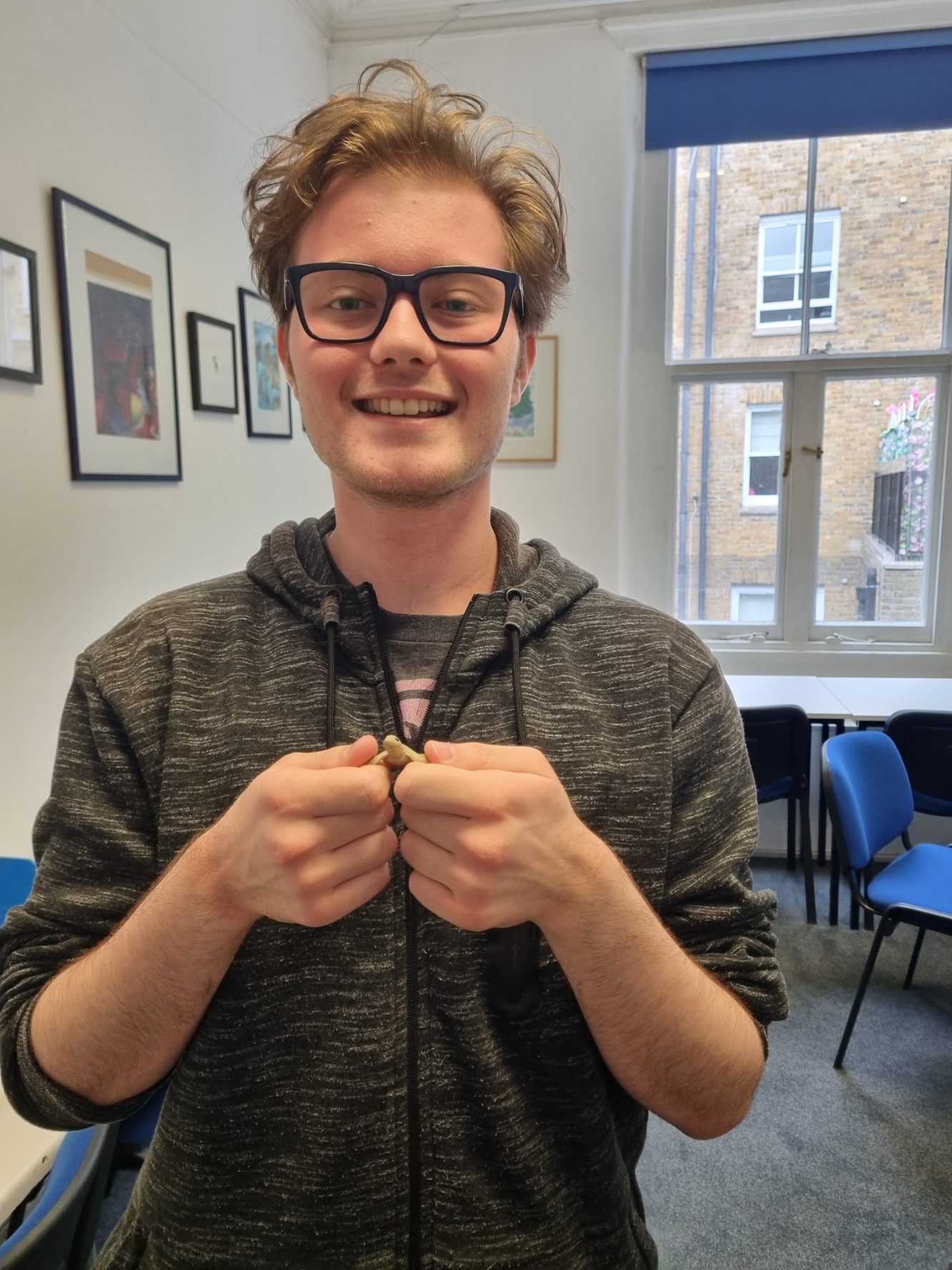 The academic experience varied considerably between the three courses. Evan’s Biomedical Science course is very full, with classes, seminars, and practicals at King’s from 9.00am to 5.00pm most days. He is finding it tiring to keep on top of the workload, but is enjoying the course and is very pleased that he ended up at King’s. His experience gave students a clear sense that some degree courses can feel very structured and demanding from the outset, particularly where laboratory work and timetabled teaching form a large part of the week. Aoi and Jonny have much lighter contact hours, with Jonny having fewer than ten hours a week, although this is balanced by a significant amount of independent reading.
He felt that the workload was manageable, but also made clear that university study requires students to take responsibility for organising their own time and keeping up with work that is not always directly monitored.
Aoi’s course combines arts and sciences, and one of her current modules is Genetics, which she described as challenging but very interesting, especially as she did not take science A levels. She also noted that the modular structure of her course has given her many opportunities to meet students from other disciplines. This was a useful reminder that university courses can be broader and more flexible than students sometimes expect, and that the structure of a degree can have a significant impact on the kind of academic and social experience a student has.
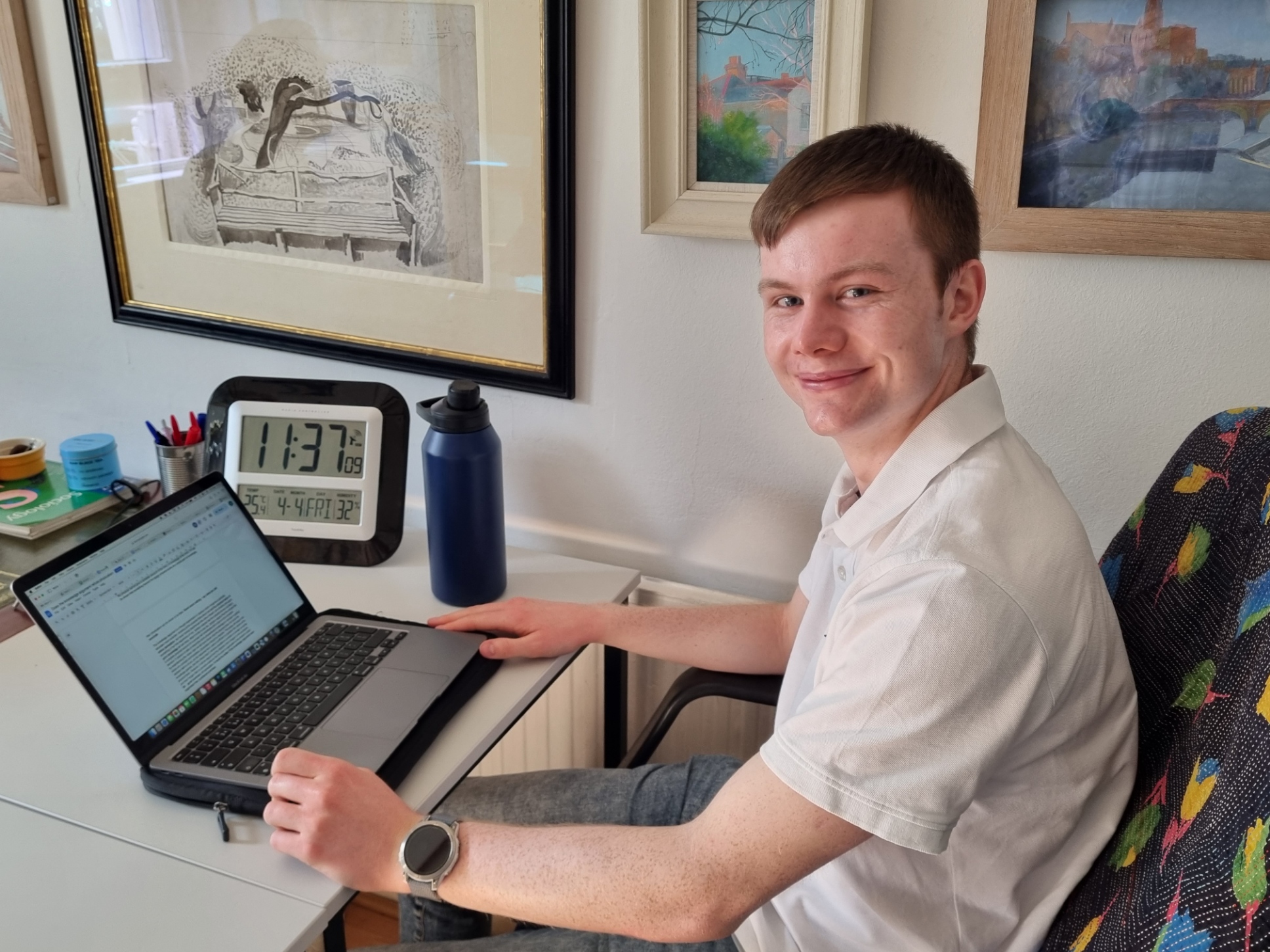 Cost of living was another important theme. Aoi and Evan both found that travel across London was one of their biggest costs, both financially and in terms of time. This had a noticeable impact on their quality of life and disposable income, although both remained firm in their preference for studying in London. For both of them, being at university in London offered clear advantages, but also required careful thought about daily travel, budgeting, and how much time is spent moving between home, accommodation, and campus. Jonny’s daily costs and travel time in Exeter were lower, which in some ways allowed for a better quality of life. However, competing in athletics events brought its own costs, particularly travel to competitions and overnight accommodation.
The students also discussed support for SEND and neurodivergent students. Evan explained that support from King’s itself had been limited, but that he had received excellent support through Disabled Students’ Allowance, including one hour a week of mentoring and one hour a week of study skills support. He was very positive about this provision and said that the people supporting him were specialists who understood specific areas of SEND and were able to give practical help with managing university study. He strongly encouraged eligible students to apply early, so that support is in place before university begins.
This was an important point for our current students, as the transition to university can be more successful when support is planned well in advance rather than arranged only once difficulties have emerged.
The value of the conversation was that it gave students a very honest picture of university, without presenting any one route as the right one. The alumni were clear that settling in can look different for different people, and that students should not judge their own experience too quickly against what they think university is supposed to be. Some students will want to join clubs immediately, some will take longer to find their rhythm, and some will build friendships more quietly through accommodation, classes, or shared routines. This was a helpful reminder that transition is not a single event, but a process.
All three alumni remembered feeling anxious at this point last year, as A levels approached and the next stage felt daunting. Their advice was reassuring: try not to worry too much, because university is something students grow into, and most find their own way once they get there. They encouraged students to focus on completing their A levels, while remembering that university life does not need to be perfectly worked out in advance. For our current students, this was realistic and encouraging, and we are very grateful to Aoi, Evan, and Jonny for returning to share their experiences so generously.
Related Links


Latest News
 University Destinations 2026August 14, 2026
- A Level Results 2026August 14, 2026
- Science PracticalsMay 10, 2026
- Executive FunctionsApril 9, 2026
- Student DiscussionMarch 16, 2026